August 2025
In this issue:
- The Fix: Dissecting a recent comms win and what to learn from it.
- Read the Room: Analysing media narratives and what’s behind them.
- Eyes Up: Opportunities, tenders, and calls for input.
- On the Blog: Highlights from this month’s Don’t Verb Nouns posts.
- Worth Your Time: Smart finds we’ve bookmarked for you.
The Fix: Jim Chalmers pre-defines his opponent
When Treasurer Jim Chalmers said his Liberal counterpart, Ted O’Brien, “kind of looks like Scott Morrison, but … sounds like Peter Dutton”, he was doing more than getting a laugh from the assembled hacks in the room. It was a rhetorical attempt to pre-define O’Brien by associating him with two deeply unpopular Liberal politicians before the Shadow Treasurer even had time to settle into his new gig.
But Chalmers’ put-down went deeper than pointing out the physical similarities between O’Brien and Morrison. Ahead of his big set-piece of the year, the productivity roundtable, Chalmers was putting O’Brien in a box. Any criticism from O’Brien of Labor’s agenda or ideas and Chalmers will say O’Brien is being contrarian for the sake of it, just like Dutton.
For a throwaway zinger, it packed a punch. And Chalmers does this sort of thing well. He’s confident, sharp, and deliberate with his phrasing — and it’s no doubt easier to land lines like this when you’re riding high after a thumping election win.
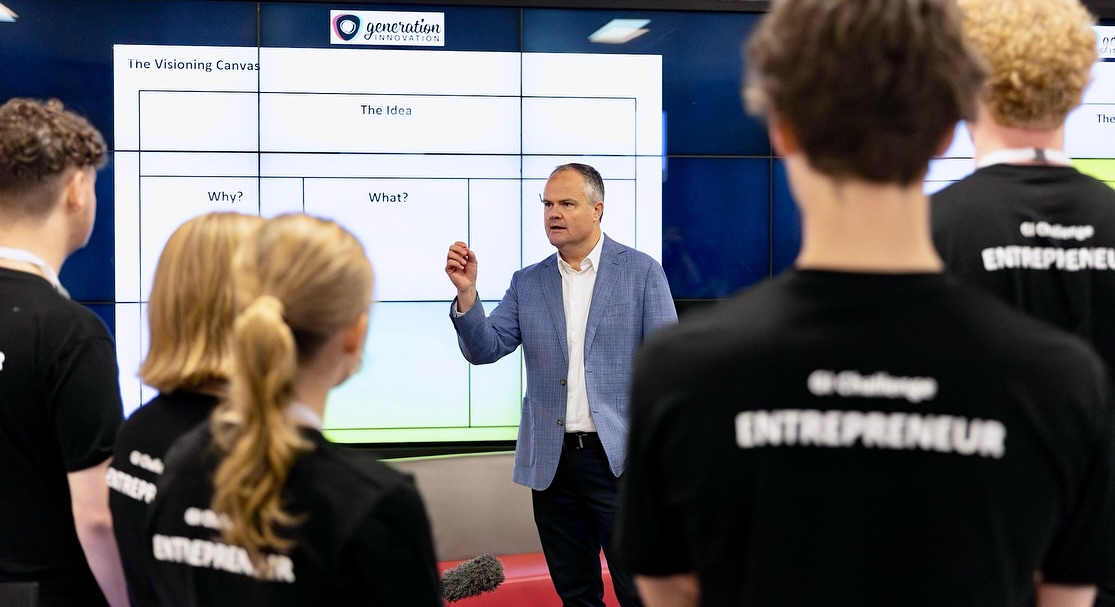
So how do you counter such a barb from a composed and confident opponent? I’m not sure if humour is O’Brien’s jam, but it’s an effective retort. Owning the Morrison similarity with a bit of self-deprecating humour would work: “Yes, we look similar, but that’s where it ends. I only have one job, for starters.” Not only does humour go down well with voters, the press love it, and it’s much easier to feed the chooks when they enjoy your banter.
Like I said, I don’t know if O’Brien likes to work a room like that, and if it’s not his thing then he’d best avoid it, otherwise he’d risk another Dutton comparison (no-one wants to be reminded of Dutton’s attempts to smile). Either way, the worst thing to do is take the bait and hit back with a sharp barb of his own, or worse, complain. People at the pointy end of things don’t get to be victims.
And what about giving yourself space to critique without being painted as Dutton 2.0? The key is pivoting to constructive as soon as possible, then moving to the critiques. “I agree with the Treasurer that lifting productivity is vital, but unlike Labor, I think we need to focus on real outcomes, not roundtables.”
But the key to critiquing is to always bring a solution. So when O’Brien raises an issue, he needs to have an alternative to discuss. What that looks like in reality is avoiding Dutton-esque stonewalling along the lines of “I need more information”. Instead, he needs a “here’s how we’d do this” response.
Ultimately, sticking to substance is what matters, avoiding the trap of sniping back, and sounding like an adult in the room, because Labor is working overtime to occupy that vantage point. If he plays it right, O’Brien could flip the switch and make what was a sharp political barb seem like a cheap shot.
Read the Room: Metadata with an agenda
On July 13, The Australian ran a story with the headline “Government-funded pay rise for childcare workers stems staff shortage”. On the surface, it’s a perfectly balanced headline and factual: pay rises, funded by the federal government, are succeeding in keeping childcare workers in the system. It’s basically a policy success.
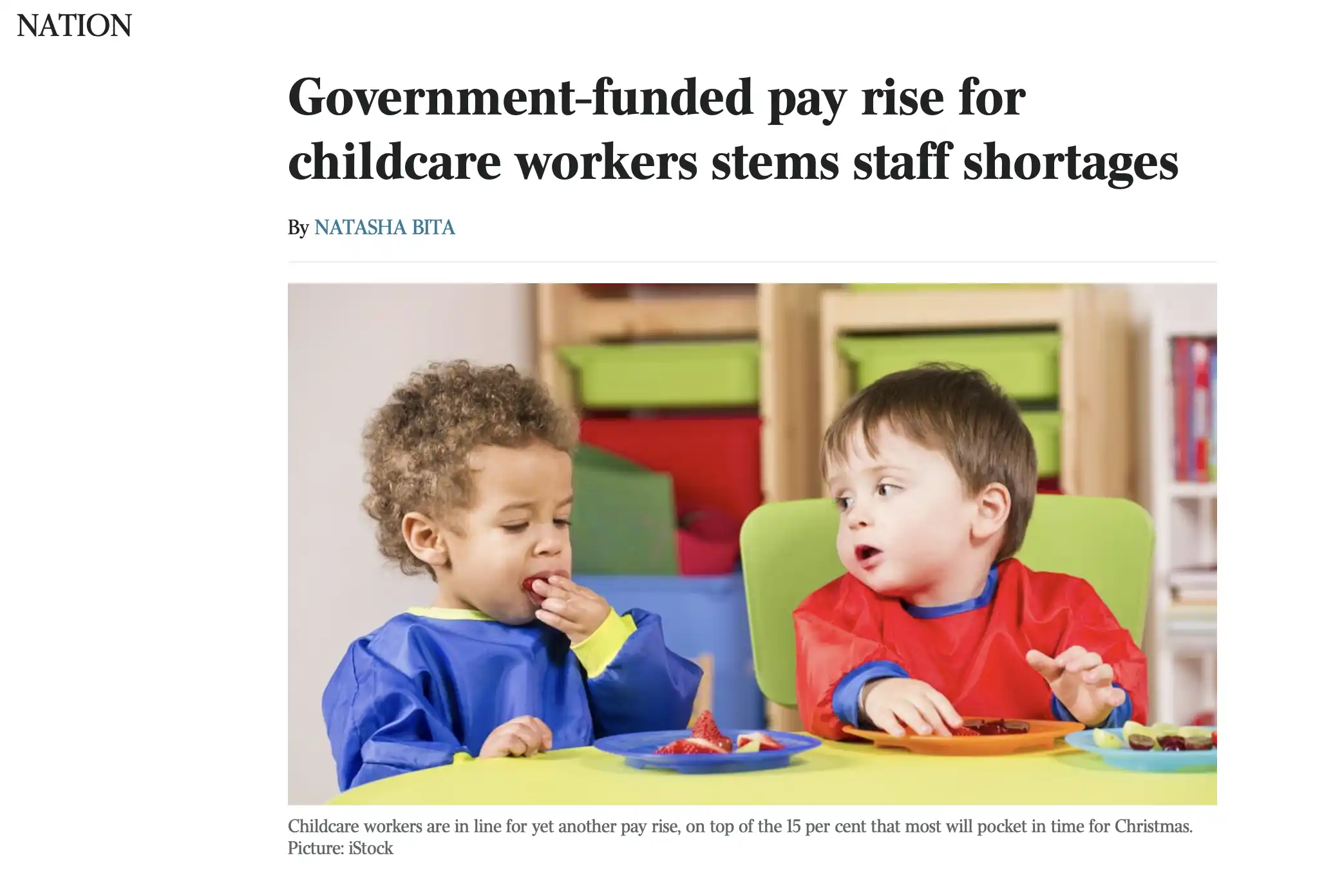
But look closer, and you’ll see The Australian isn’t quite celebrating a policy win. In fact, it seems annoyed and it wants to remind readers who is ultimately paying for this largesse: “The Albanese government’s taxpayer-funded 15 per cent pay rise will cost taxpayers $3.6bn,” the report notes. In case you missed it, taxpayers will be paying. Through their taxes.
Making sure readers know they are paying is a classic conservative ploy to undermine government services. “You don’t use childcare, but you’re still paying for their wages.” This kind of framing subtly aligns the issue with broader themes of wasteful spending, union appeasement, or government overreach, all familiar talking points for the political right’s commentariat. Note how often you see police or military wages referred to as “taxpayer-funded” in conservative journals (spoiler: it’s pretty much never).
But dig even deeper, into the webpage code, and you’ll see the quiet part, and The Australian’s real agenda with this story. The <title> tag (used in search results and browser tabs) reads:
“Yet another pay rise for childcare workers is in the pipeline, on top of a 15 per cent wage rise funded by taxpayers.”

<title> tag of the story in the html code.
There’s no mention of stemming the staff shortage. No policy success. Just escalating grievance: yet another pay rise, on top of an already generous one, and always “funded by taxpayers”. This kind of metadata matters. The <title> tag shapes how stories appear on Google and social media. Loaded language like “yet another” and “funded by taxpayers” is carefully chosen to:
• Trigger clicks from readers already sceptical of government spending.
• Rank for search queries like “childcare pay rise taxpayer cost”.
It’s classic clickbait, but targeted specifically at readers who already lean sceptical or hostile toward publicly funded wage increases. Basically The Australian’s core readership. All up, it’s a push to drive engagement through outrage, signal political positioning, and influence how readers interpret the story, all while giving the outlet plausible deniability through a more moderate on-page headline.